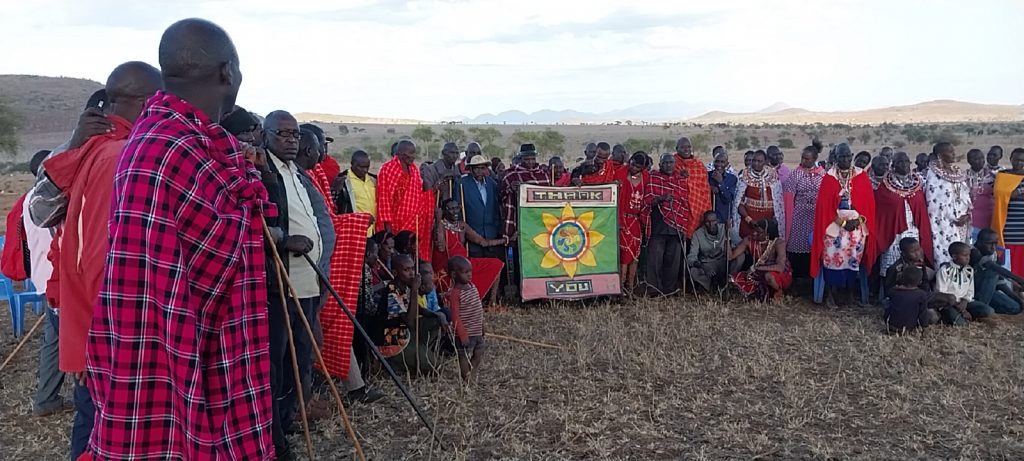

Seven years, one well.
Help us finish.
After seven years of work with the Maasai people in Kenya, the well is drilled. Now the water needs to reach the villages and the school. Gifts support The Great Gathering wherever the need is greatest.
The only AI content in this video is Miriam’s narration, though the words were hers. She was in Kenya when we created these videos, and largely unavailable for production work. All footage, photos and interviews are real.
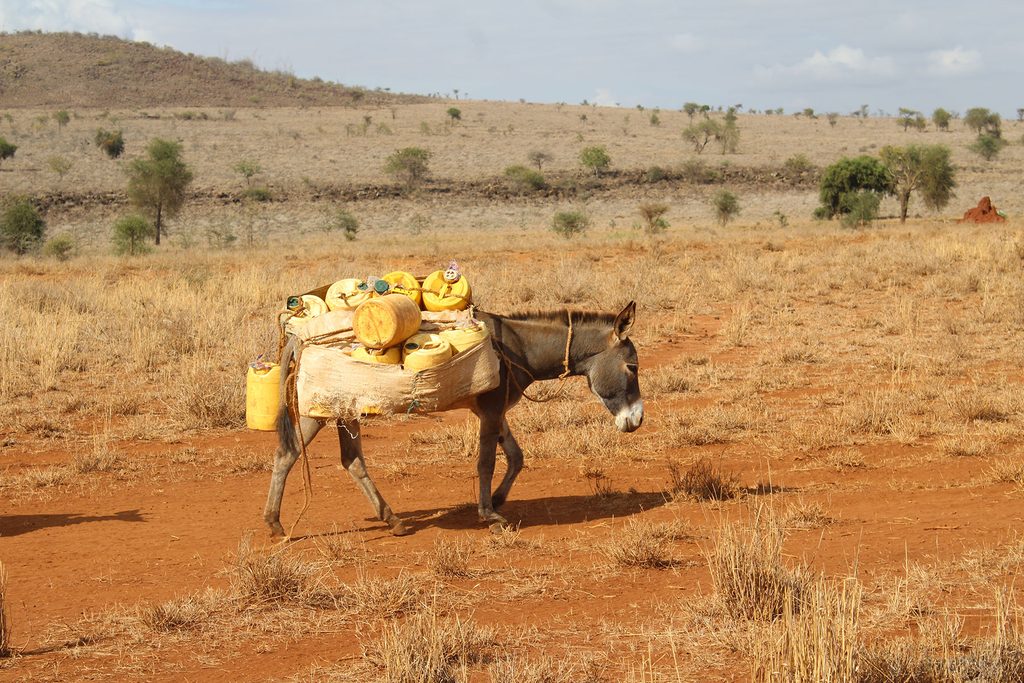
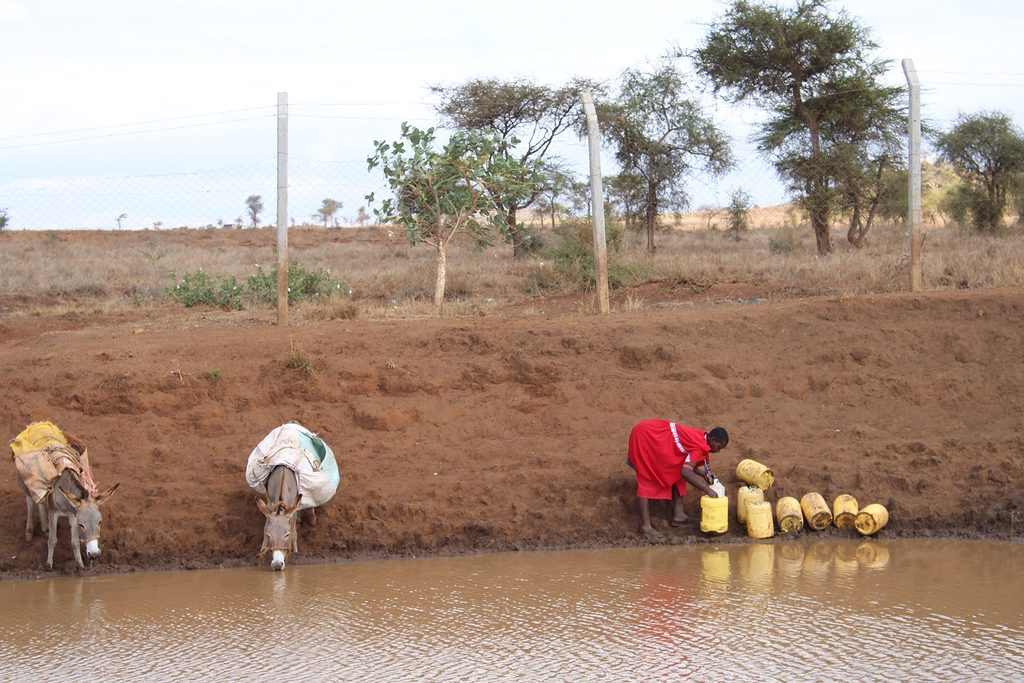
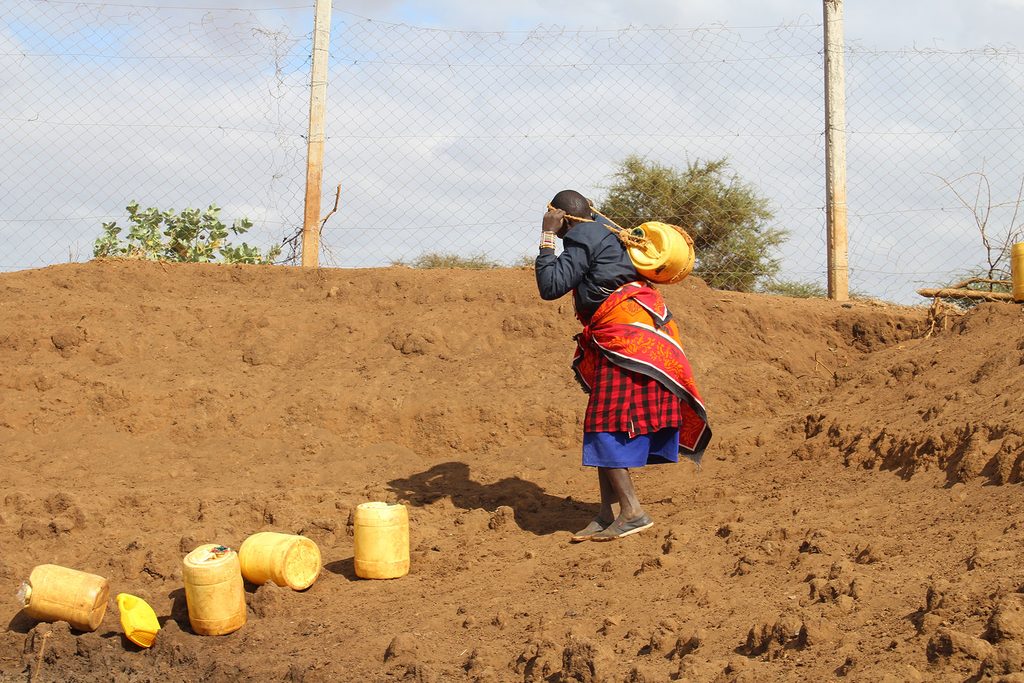
The walk to water is far.
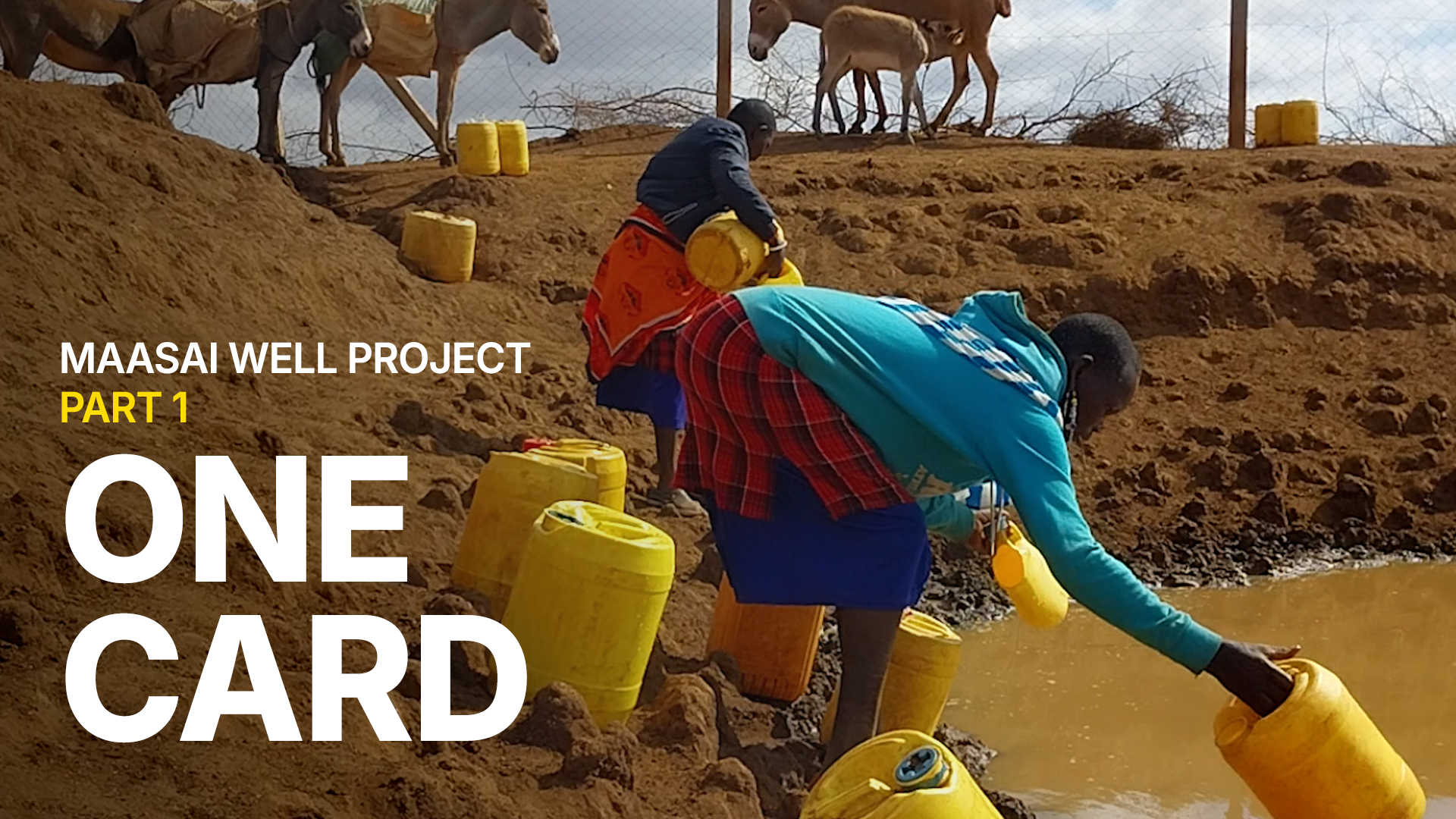
In six Maasai villages in Kajiado County, Kenya, women walk 8 to 12 kilometers (5 to 7½ miles) each way for water. They have two choices. The closer pit (earth dam) is fenced, but it’s small and dries up fast. The larger earth dam holds water longer, but it’s farther away and unfenced, and elephants come there to drink. Neither is clean, neither is safe, and both are shared by people and animals. The nearby primary school closed years ago for lack of water.
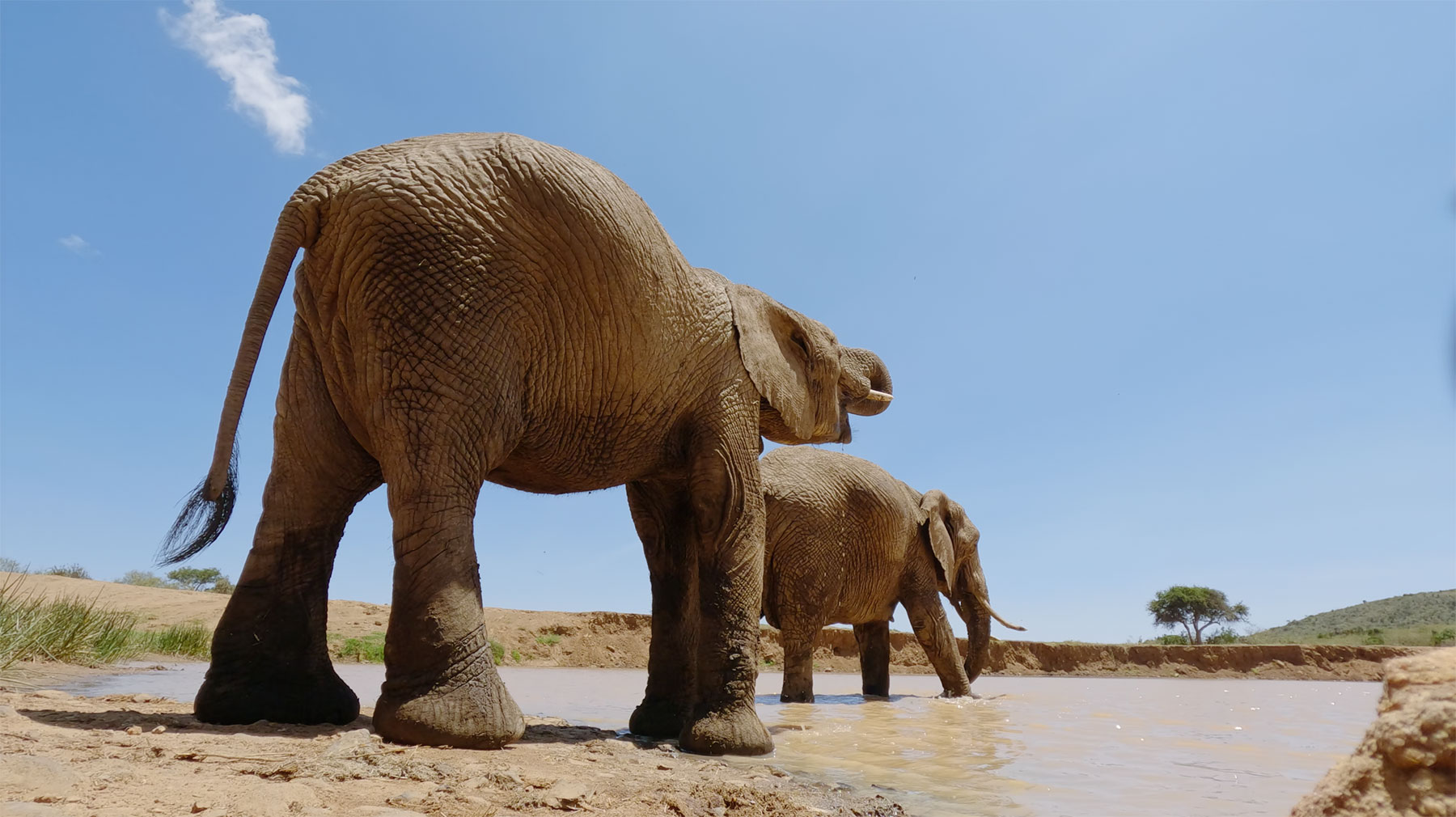
In 2019, sitting in a hut with Maasai men and women at a listening session, our executive director, Miriam Delicado, asked what they needed most. Their answer: clean water. She carried that home and took it to heart. That was the start of a seven-year journey.
Stories from the field.
Notes, interviews and side stories from seven years of working with the Maasai.
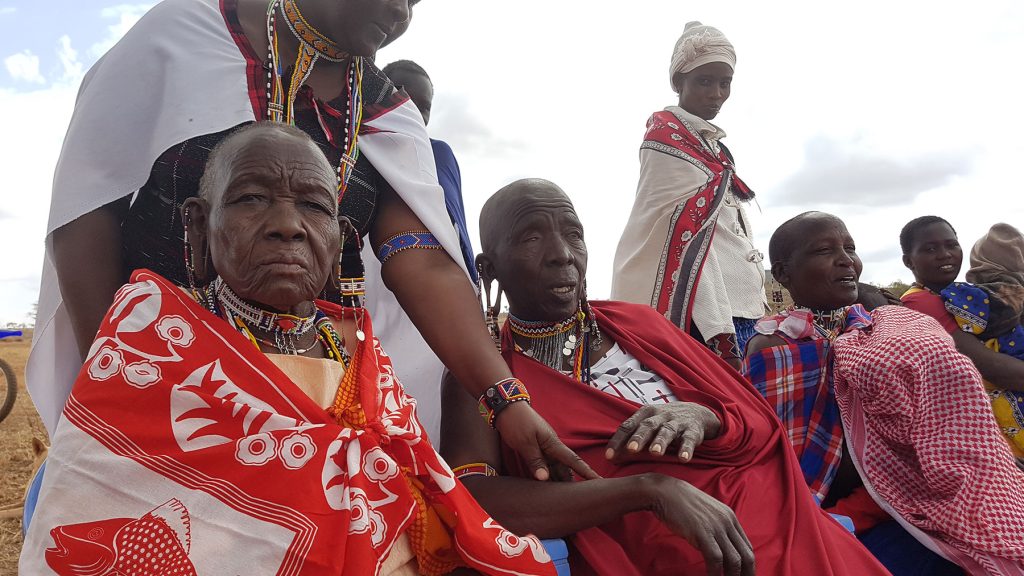
Who are the Maasai?
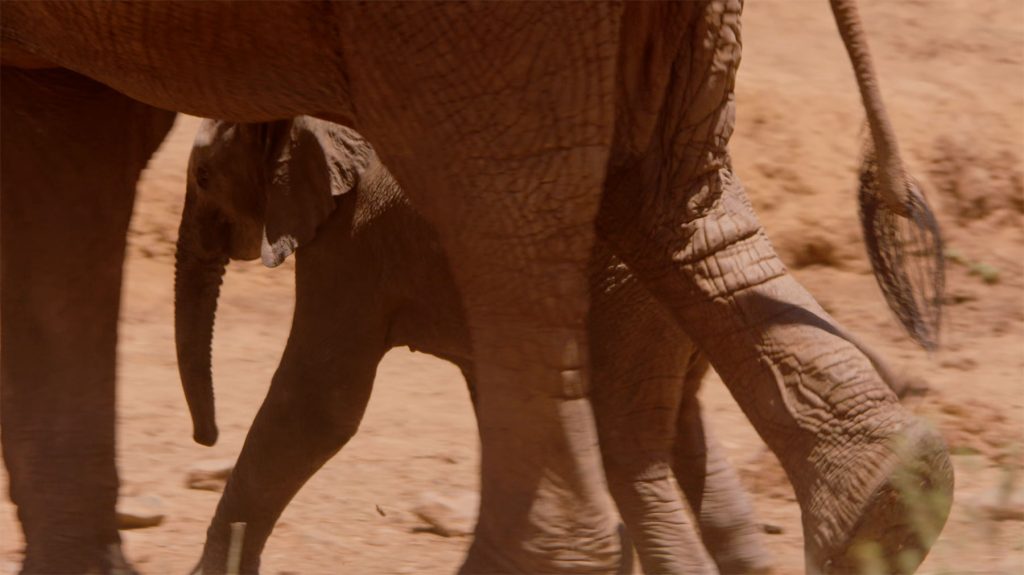
Wildlife vs People
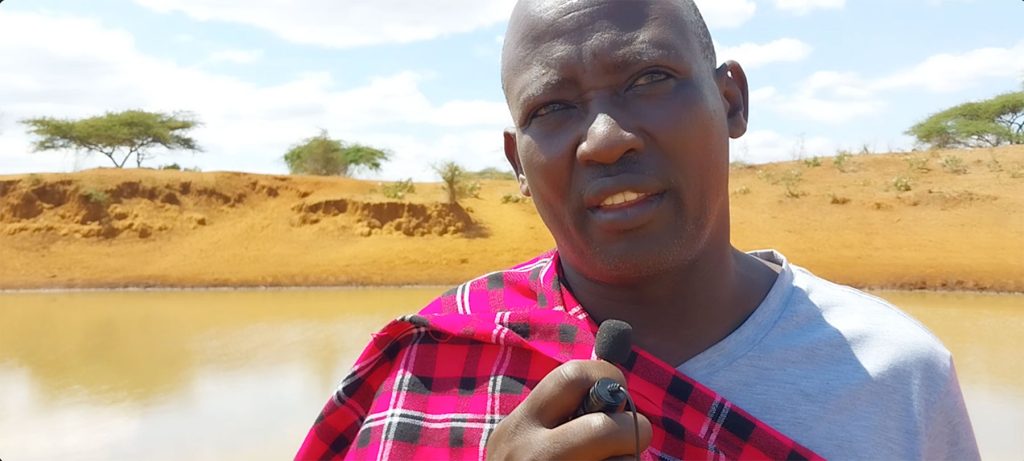
Isaiah’s Persistence
The 7 year journey.
A listening session and a business card.
Miriam meets the Maasai Mbili artists in Kibera, sits with Maasai men and women who ask for clean water, and hands her card to a dancer named Morio. He promises to be in touch.
An email arrives.
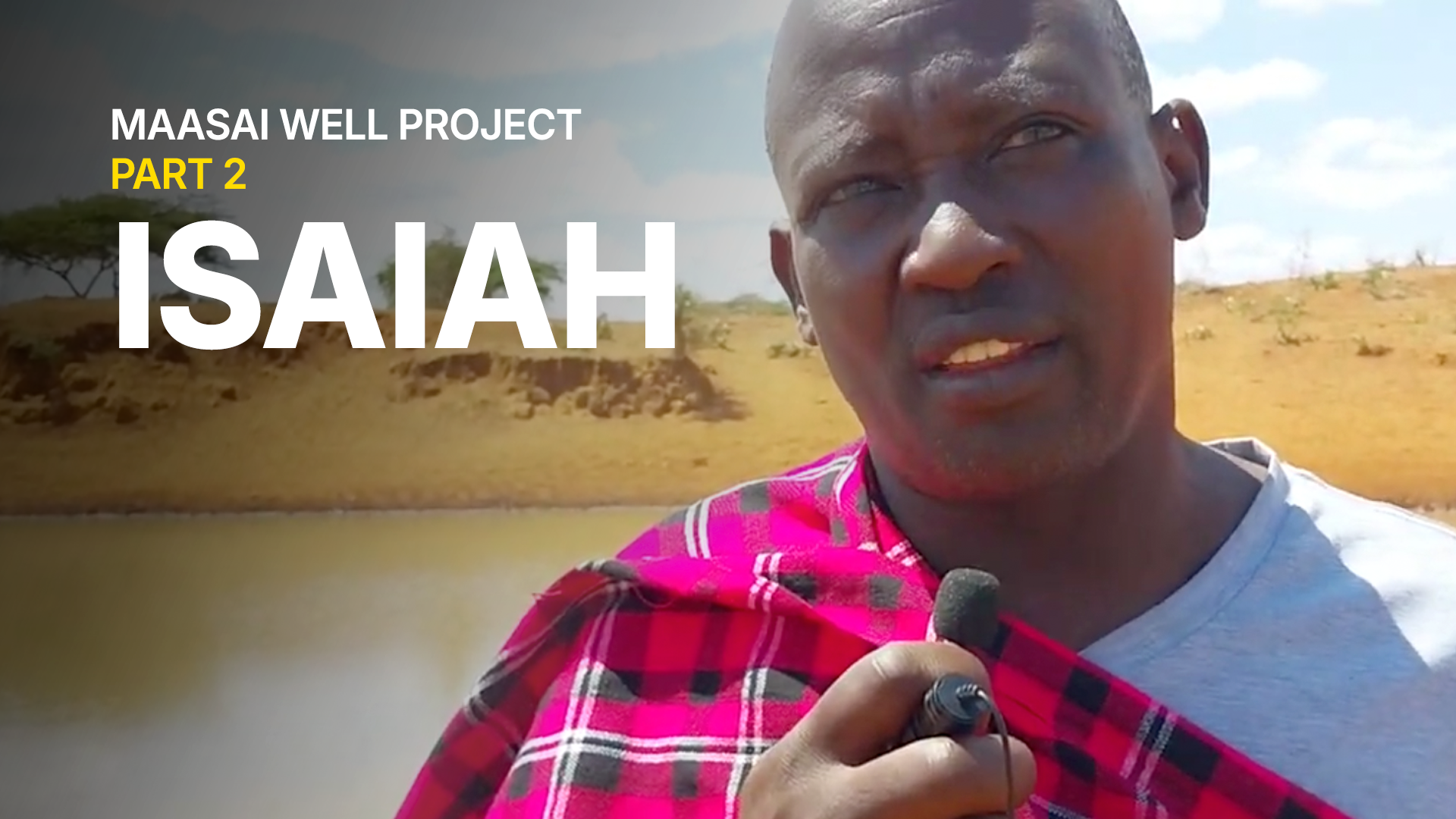
Isaiah Kishoyian writes to Miriam after ending up with the business card Morio passed on. Over the next two years, Isaiah and Leonard earn the elders’ approval.
Boots on the ground.
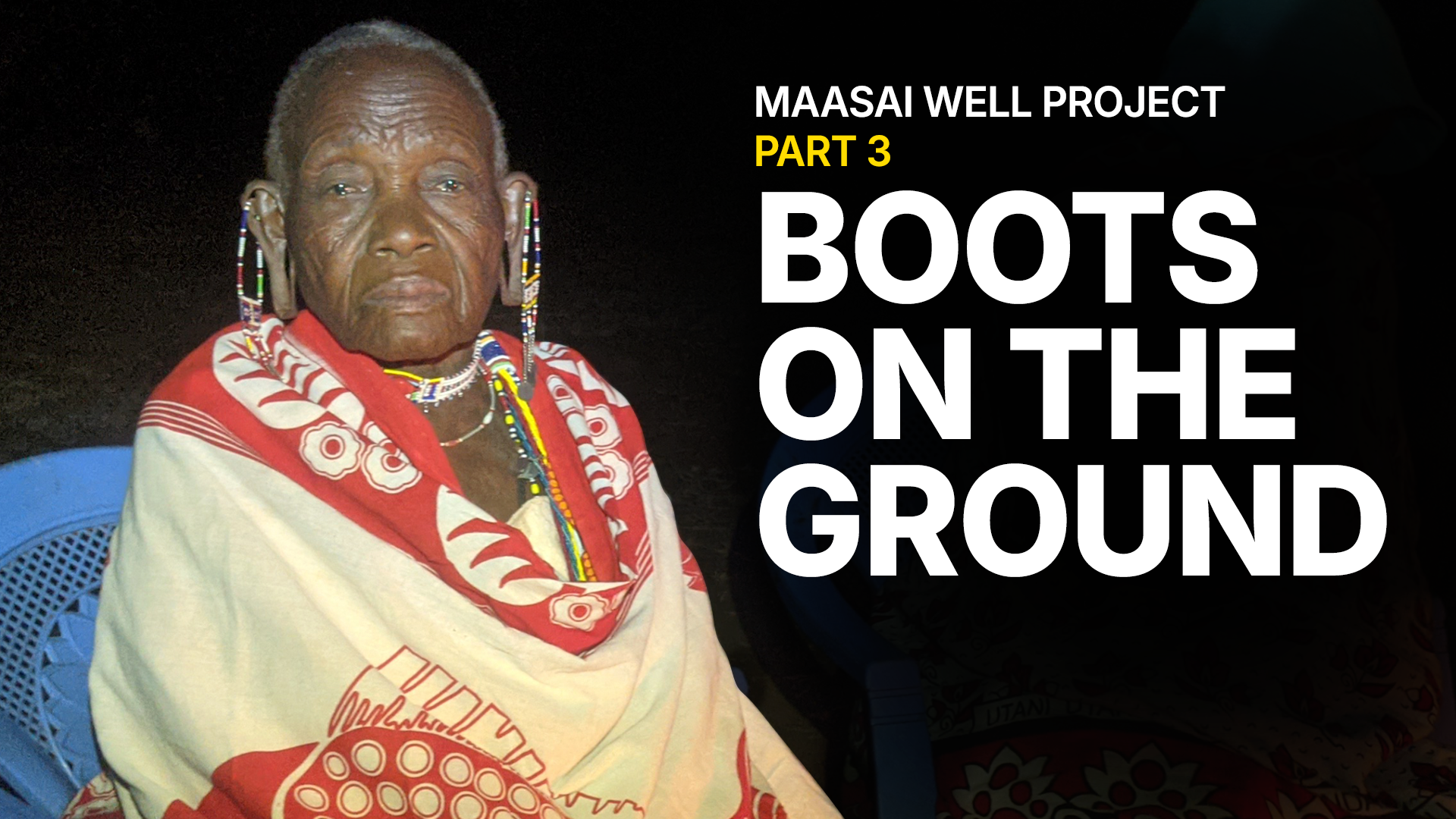
Six Maasai Mbili artists travel from Kibera to document Maasai life and the daily struggle for water, during East Africa’s worst drought in 40 years.
Finding Water
Ustlora’s survey team uses traditional divining alongside technology to find water and the exact drilling spot. TGG continues its search for funding.
Land and permits.
The land for the well is purchased, and the government approvals are secured. TGG continues to look for funding.
Funding.
After years of everyone waiting patiently, TGG secures a grant to cover drilling and installation.
Oct 2026
Water.
The well is drilled 236 meters deep, with a 5,000-gallon tank and solar pumps. Now we need to pipe it to the villages and the school, so more funding is needed.
Gifts to The Great Gathering support this project and others.
The cost.
The well is in, but the work continues.
The drilling, water tank and kiosk cost $63,000, plus added costs for development and implementation over the 7 years.
Yet to be funded…
- Piping water to the primary school and closer to each village
- Ongoing maintenance and repairs, including damage from elephants
The video series.
We’re sharing the story of the Maasai Well Project in a four-part video series, with a new episode every Tuesday through December 8. Sign up and you’ll get each new episode first.
Yes send me the next episode!
Thank you.
Many people made the drilling of this well possible…
- To Maasai Mbili, the art collective in Kibera who traveled to Maasailand in 2022 and 2023 to record the need. Their photos and interviews tell this story.
- To Isaiah Kishoyian and Leonard, who opened the door and kept the work moving on the ground.
- To Ustlora, whose survey found the water.
- To the village elders, who approved every step and finished securing the land.
- To the Maasai community of Kitonya and the surrounding villages, for your trust and your patience.
- To Ole Morio, who kept a business card and started it all.
- And to every person who has given to The Great Gathering. This is what your support makes possible.