

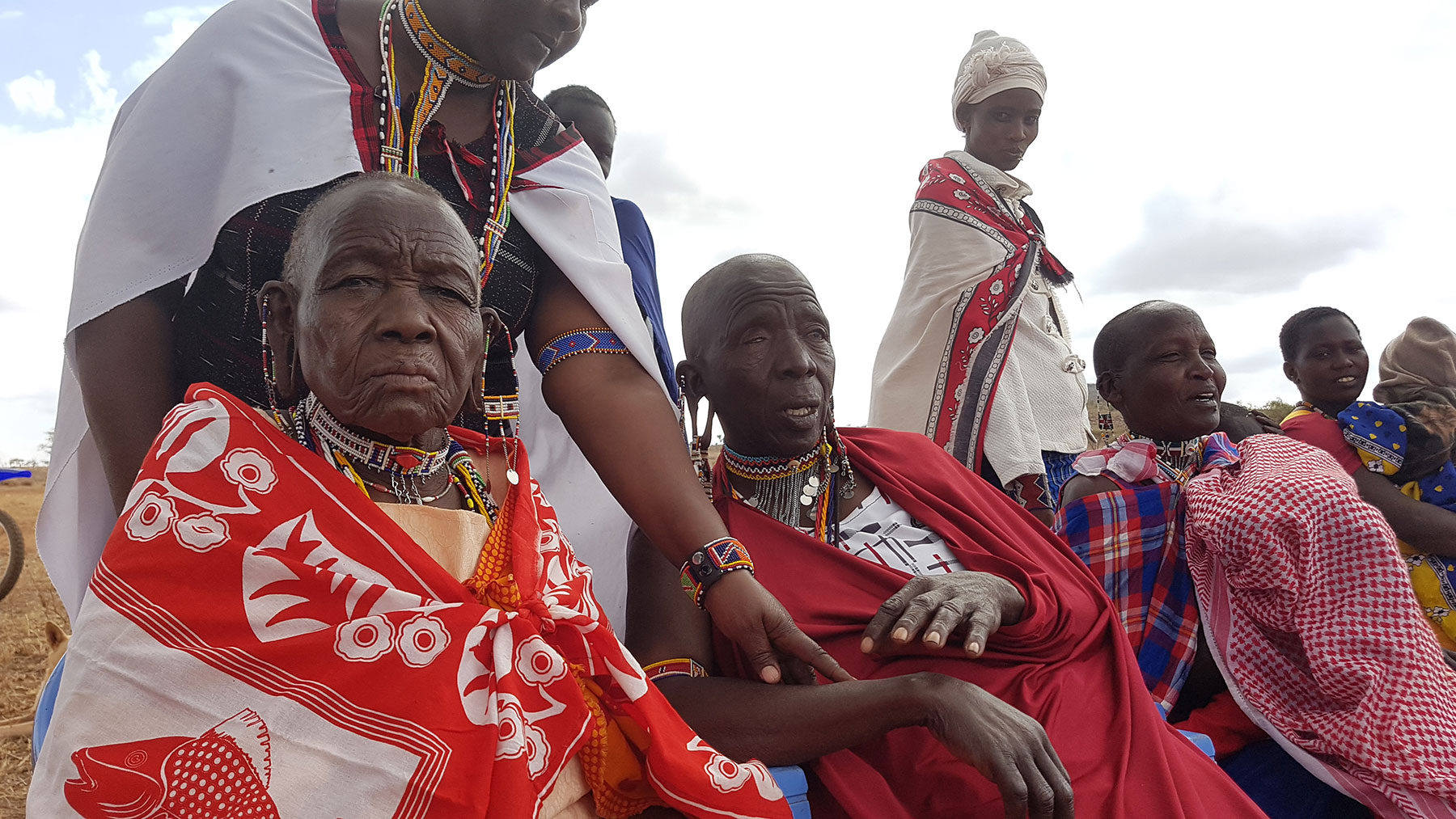
Who are the Maasai?
The Maasai are an indigenous people of southern Kenya and northern Tanzania. For generations they have kept their language, customs and beliefs intact while the modern world grew around them. They are pastoralists, so sustenance depends on their herds of cattle, goats and sheep. Their native language is Maa, though many Maasai also speak Swahili, the native language of Kenya, and a few even speak English.
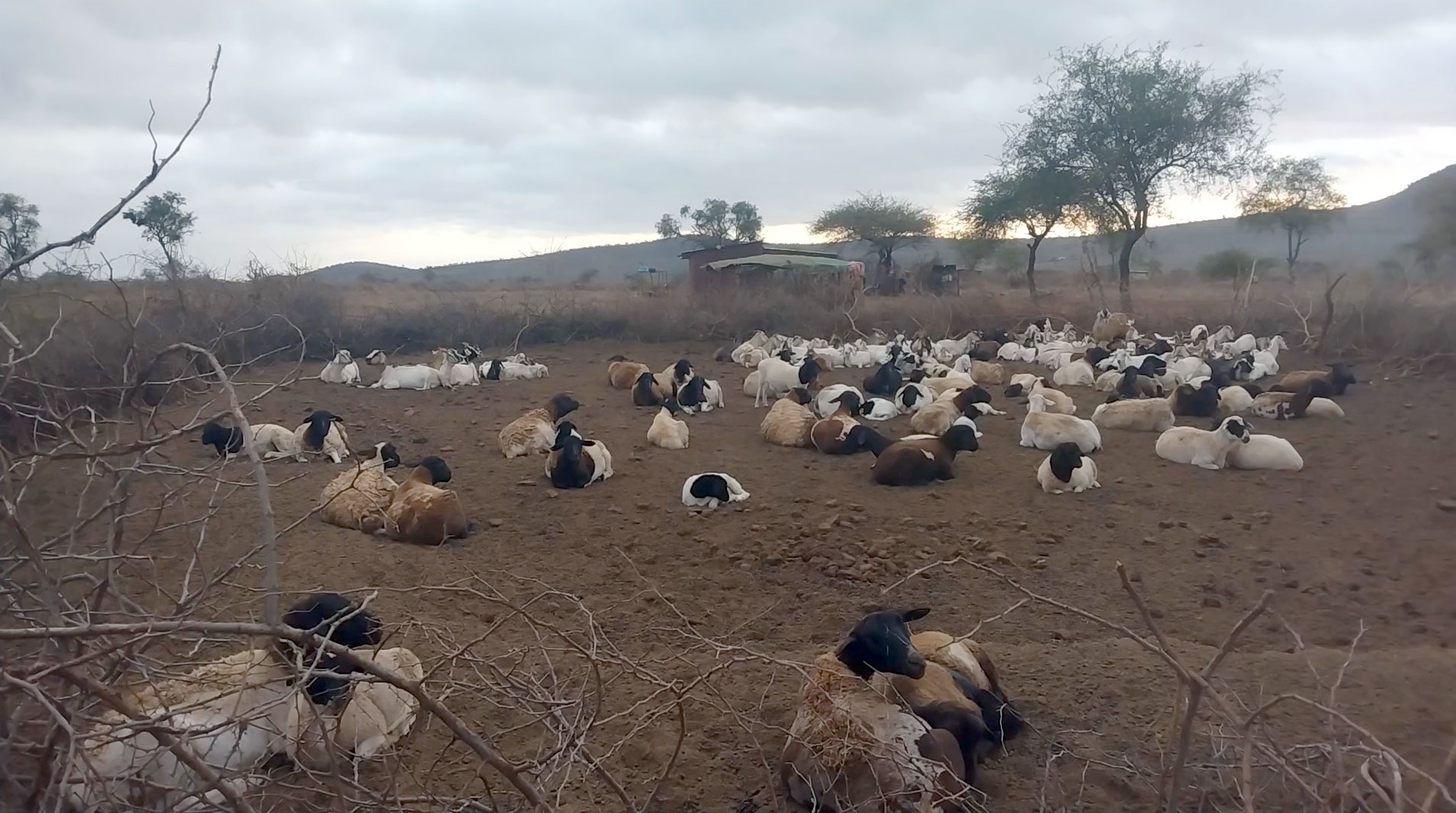
Over centuries, the Maasai moved south from the Nile Valley with their herds and their traditions. In 1904, British colonial rule pushed them onto reserves to make way for European settlers. Part of the southern reserve became Kajiado County, where this story takes place.
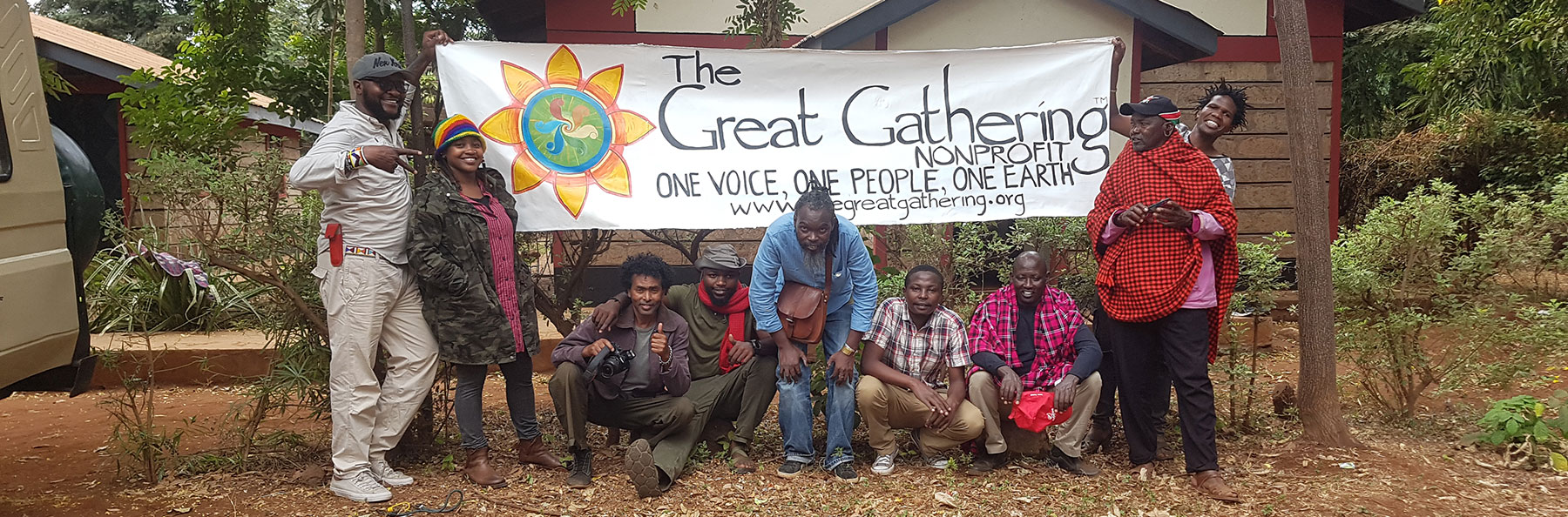
In June 2022, six artists from the Maasai Mbili collective in Kibera spent two days in Maasai villages around Kitonya, in Kajiado County, recording daily life for The Great Gathering Nonprofit. It was a very eye-opening experience. Here’s a bit of what they learned.
The welcome
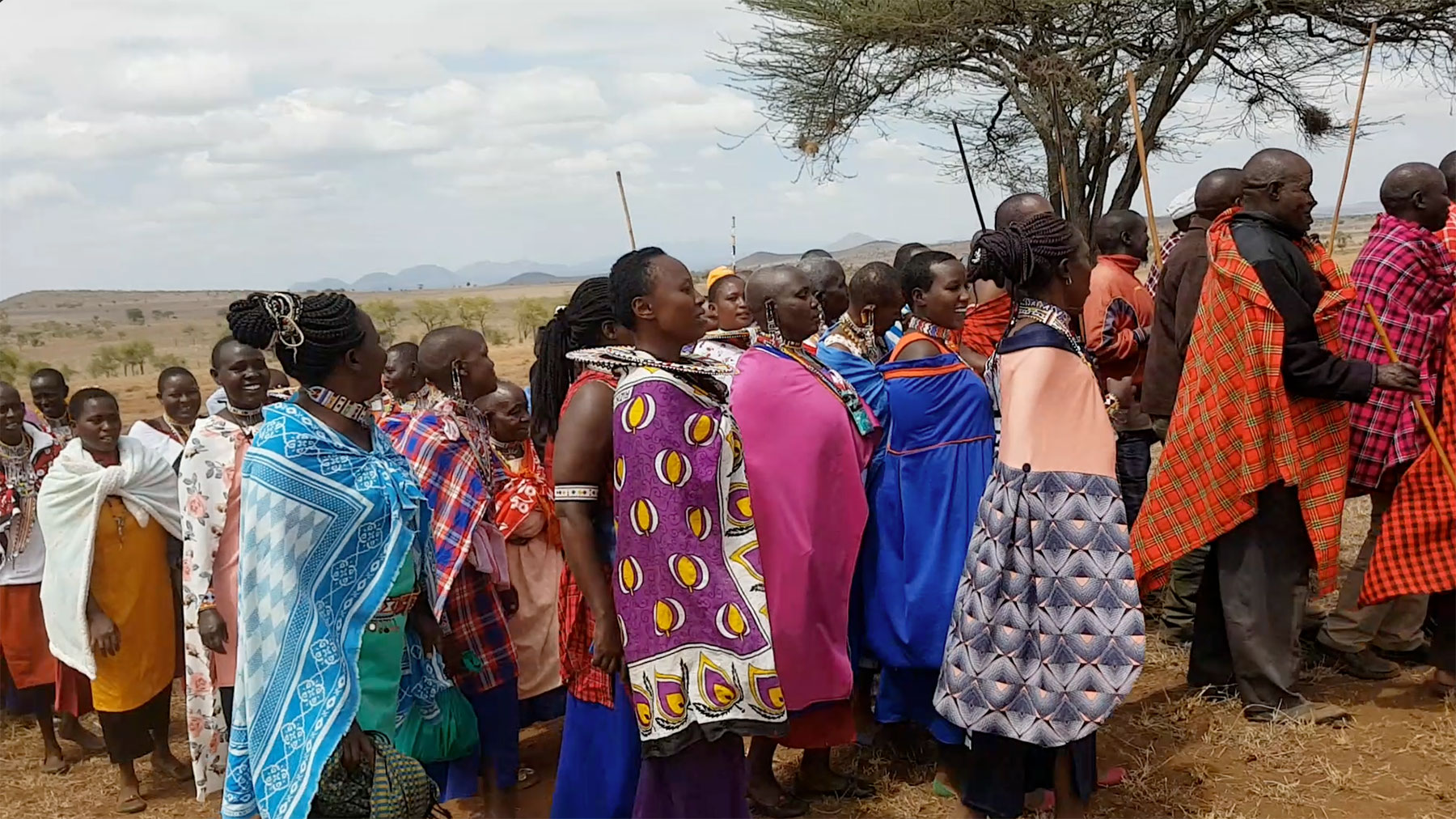
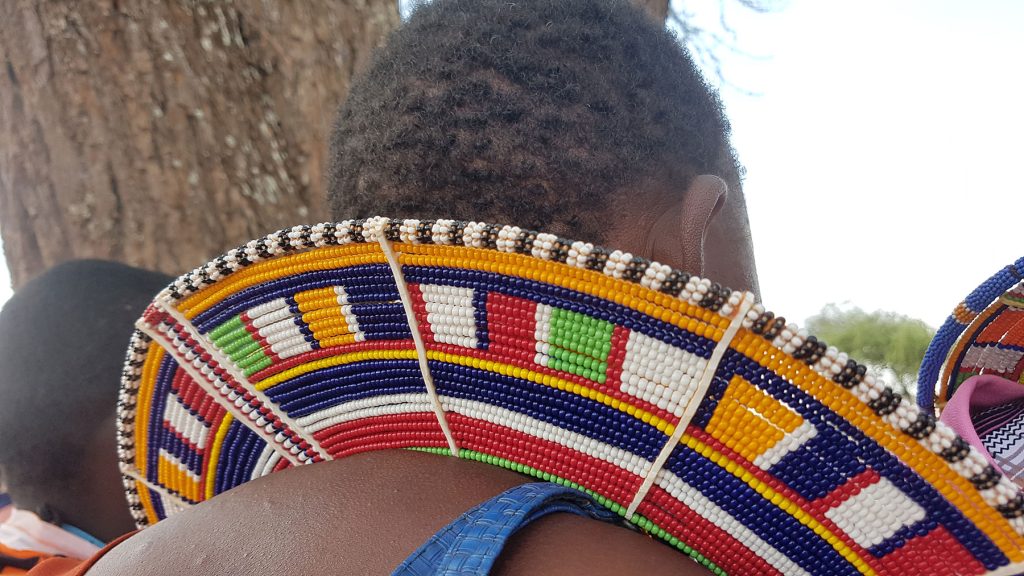
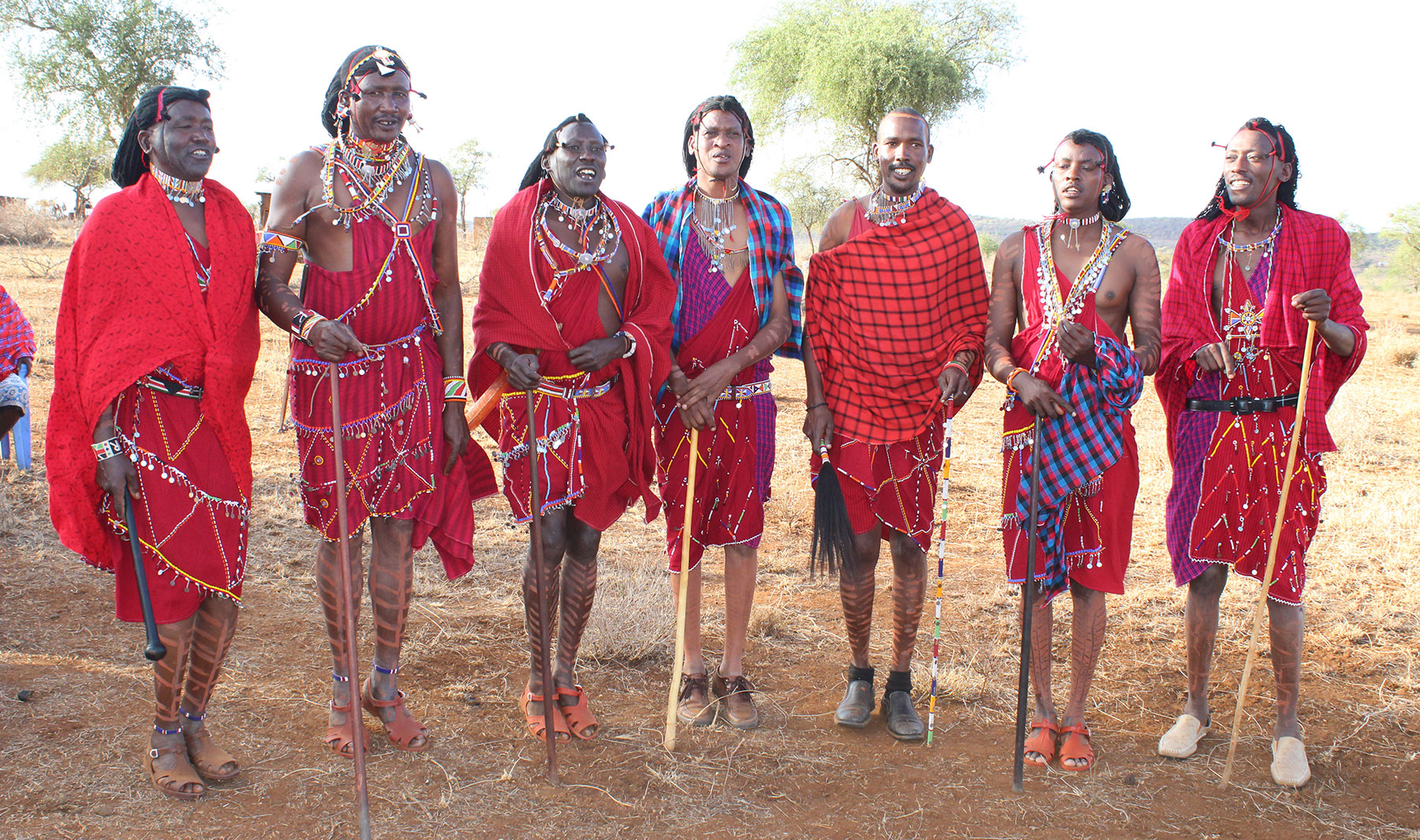
Kwaru admits he arrived nervous. In Nairobi he had only seen Maasai men carrying swords, so he expected a hard crowd. Instead, 60 to 70 people were waiting for the group, already dancing. Kevo called it “celebrity style.” Vincent was in awe of the beautiful beadwork, the bright red shukas, and the way the dancers moved their necks as they sang.
The land belongs to everyone
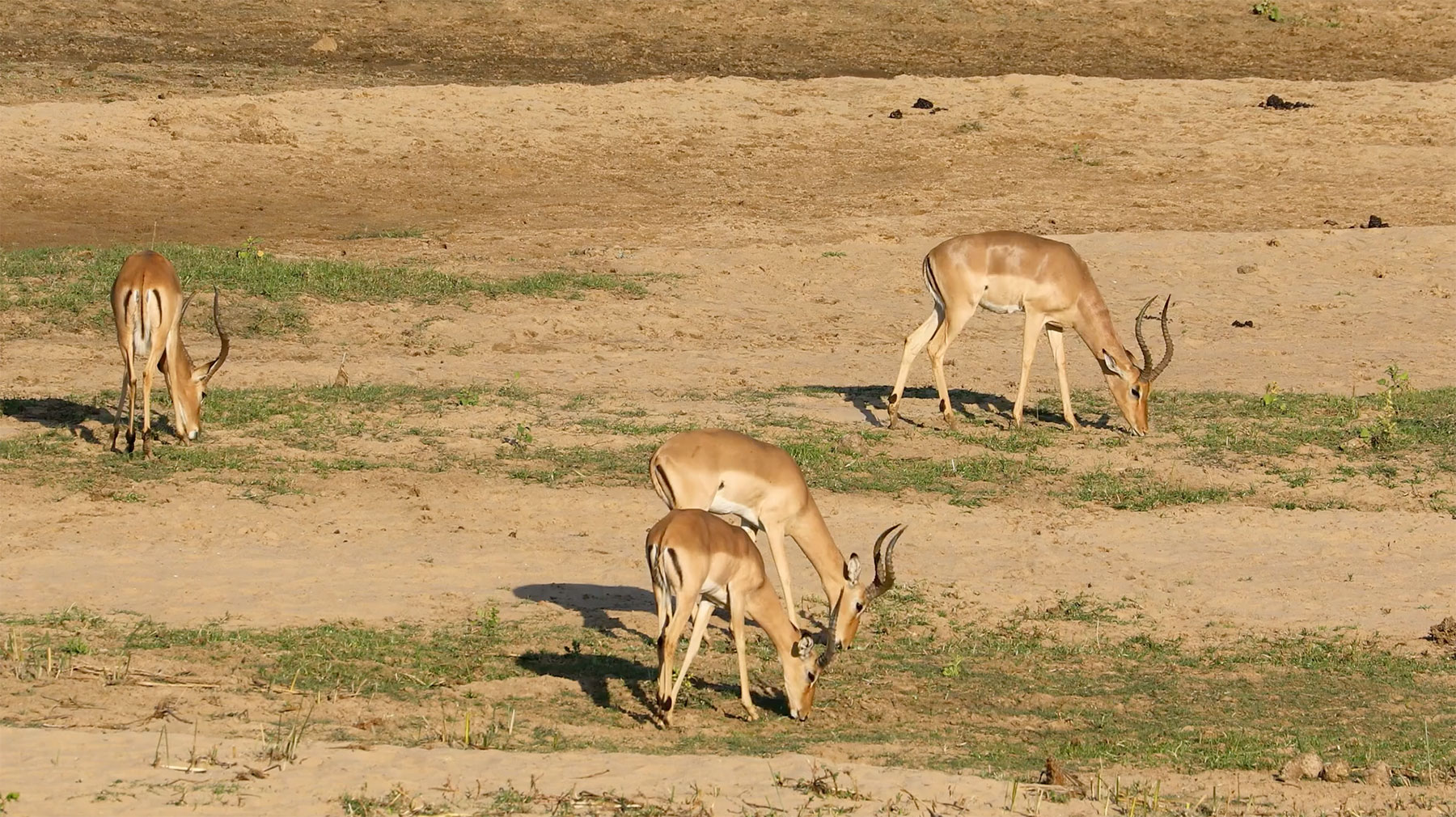
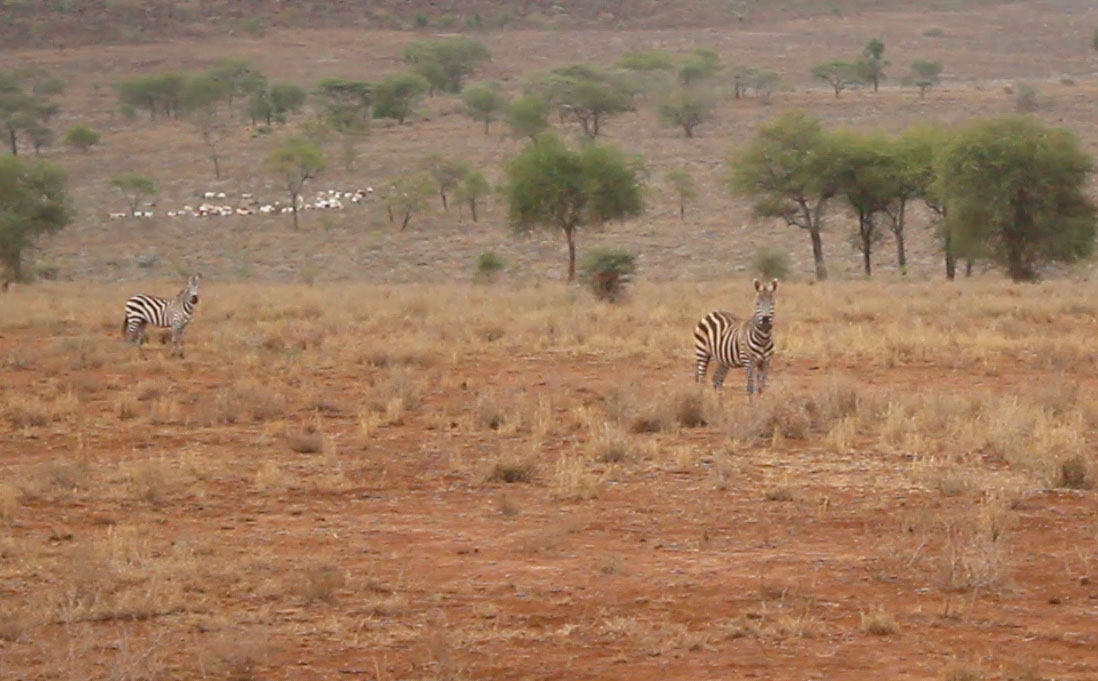
The Maasai live as a community. “Community land is owned by everyone,” Gomba explained. Nobody says this belongs to me. Kwaru learned that the Maasai don’t hunt the zebras, gazelles and other wildlife that share their land, even when food is short. Their tradition is to live in harmony with the wild animals.
Four things every man carries
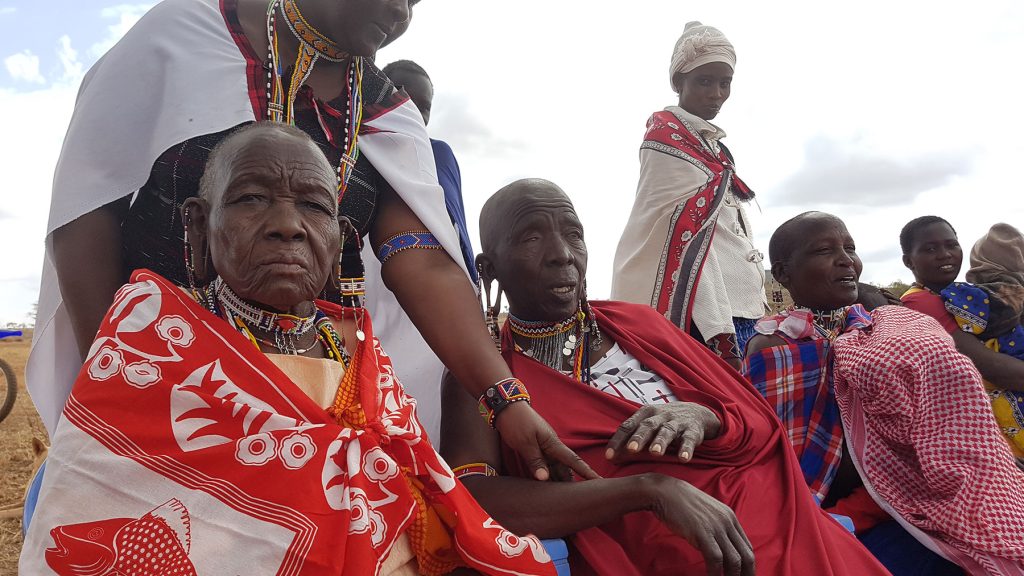
Guta made a list. Every man and boy wears a shuka, the traditional Maasai cloth. They all carry a knife and a long stick, which they told him were for defending themselves against wild animals. And the pierced, stretched ears are the mark of an elder.
Who does what
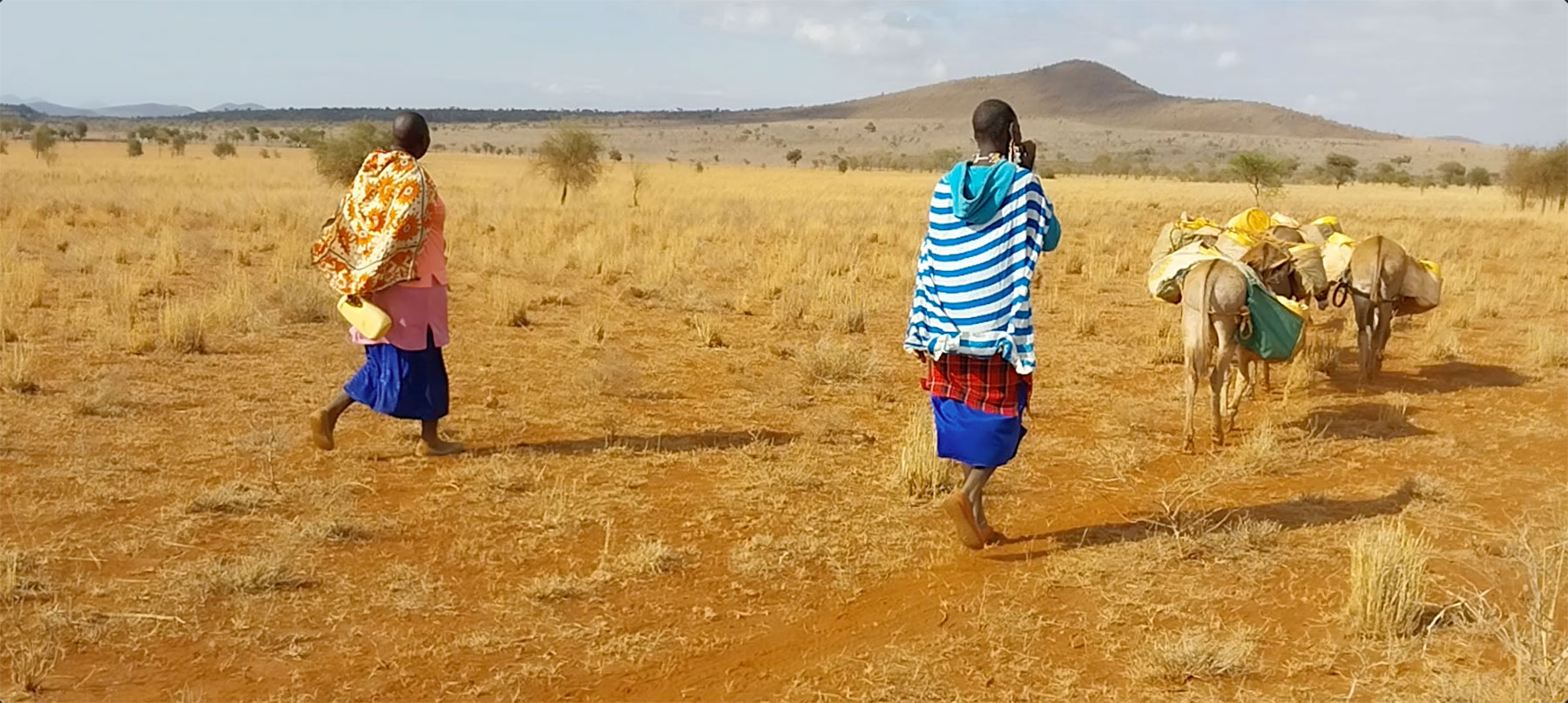
Maasai women are the builders. Besides running the home and raising the children, they build the family’s houses, called manyattas, by hand. They also do the milking and fetch the water. The men tend the herds and protect the family and the livestock.
Life under the tree
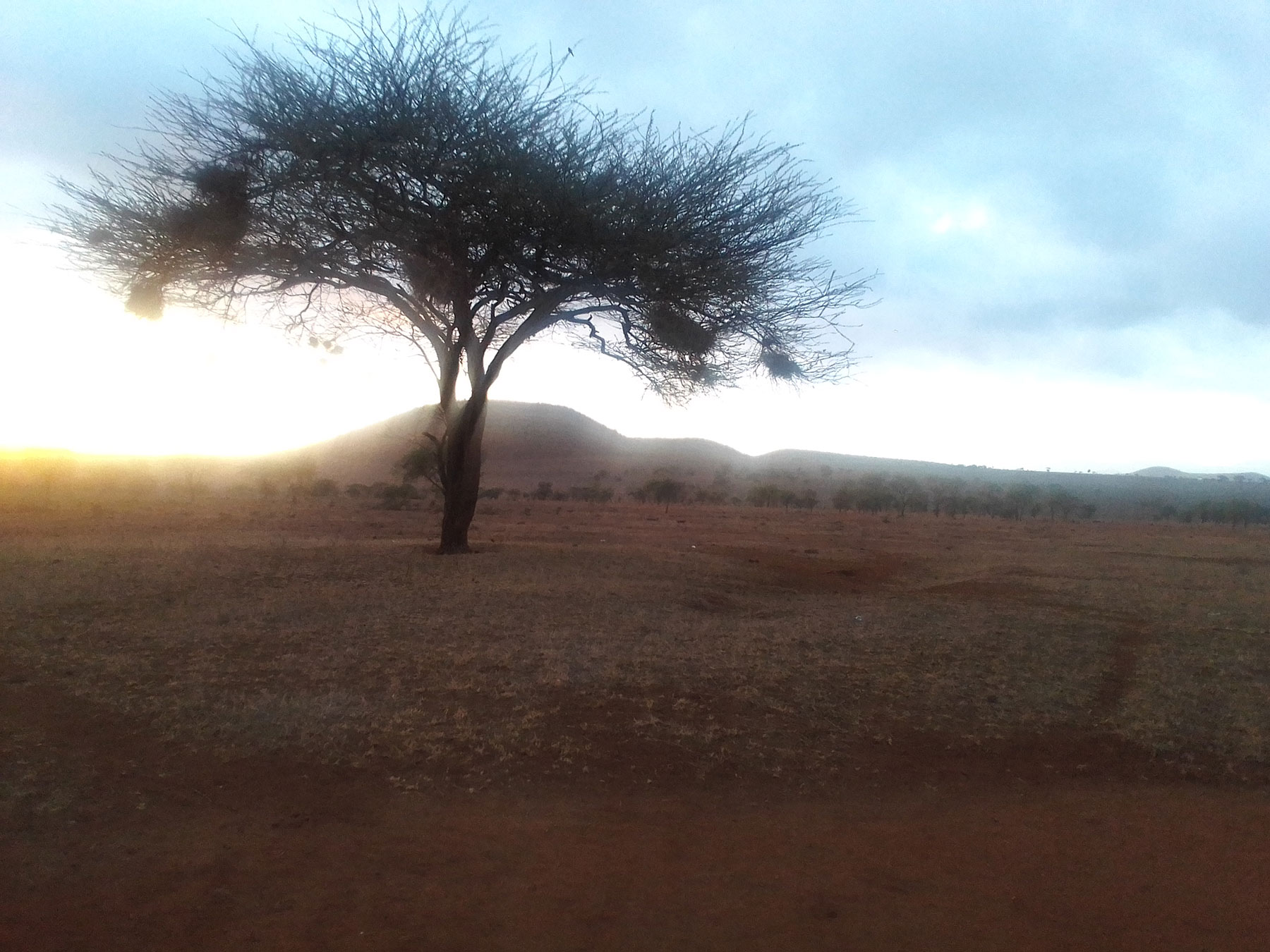
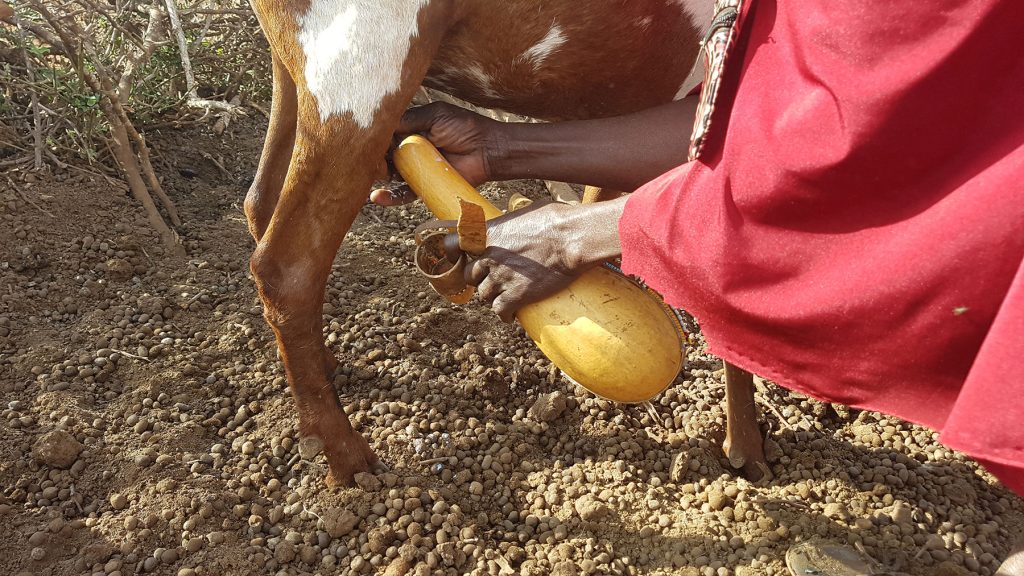
Kevo found out about the sacred meeting tree when he asked if they could reposition for filming. He was told no, everything happens under that tree, the village meeting place. Mornings begin with the women doing the milking – they collect the milk in a gourd. They say a prayer as they splash a little milk from the gourd around the herd. Families sleep on animal skins inside their manyattas, and at night some men sleep outside to guard the livestock from hyenas and leopards.
The goat roast
On the first night, the elders roasted a goat for their guests over a bonfire. It was divided three ways: one part for the women, one for the children and one for the visitors. No salt, and Guta said the meat was sweet. The children line up first for a treat, the raw kidneys. Vincent tried one. He spent the drive home asking the driver to pull over.
Water is everything
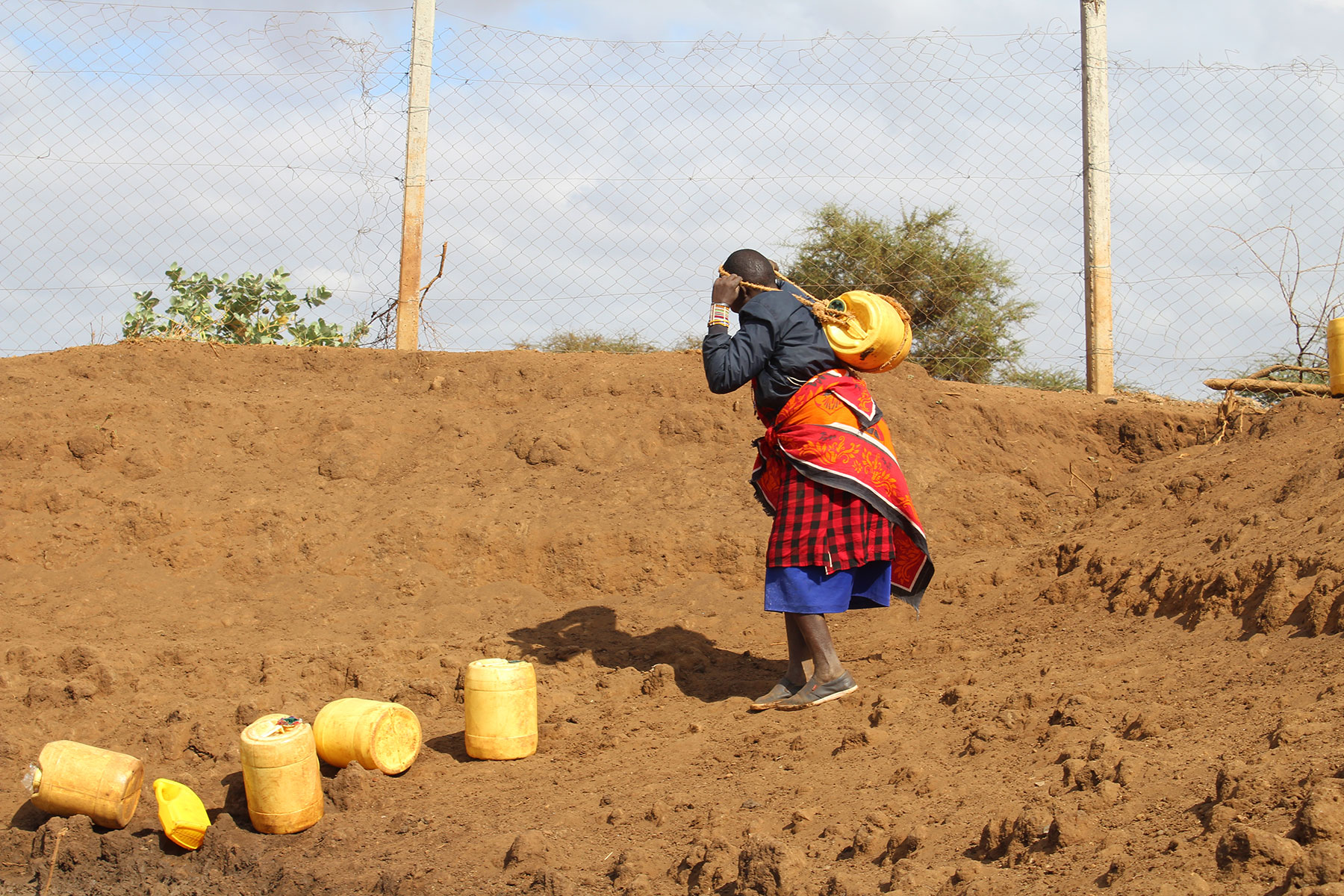
The women fetch the water, often walking all day. A family with a donkey to carry the jerricans is considered rich. Everyone else carries the water on their heads. Even so, Anita, the only woman on the team, said the women laughed the whole time she was with them. They told her there was no need to cry. Even if they are having hardships, it only makes them stronger.
Vincent pointed out the Maasai say thank you with ashe. Ashe oleng means thank you very much.
Meet these artists and hear their stories in Episode 3, “Boots on the Ground,” coming December 1. Follow the whole story at thegreatgathering.org/water.