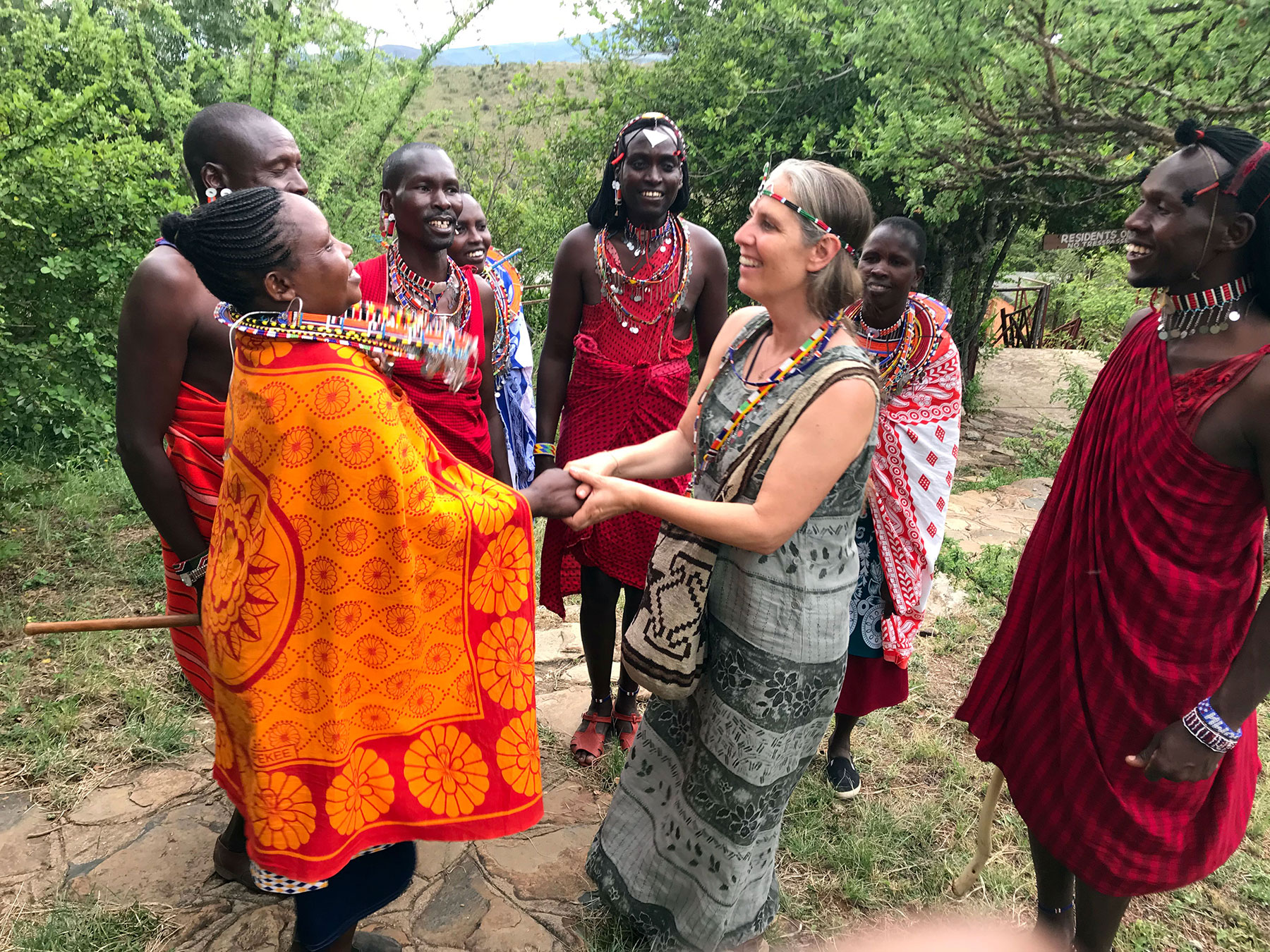

What is Maasai Mbili? Meet Gomba
Twenty-five years ago, two artists started walking through Kibera dressed as Maasai.
Everyone called them Maasai Mbili — the two Maasai in Swahili. That is how the art collective got its name.
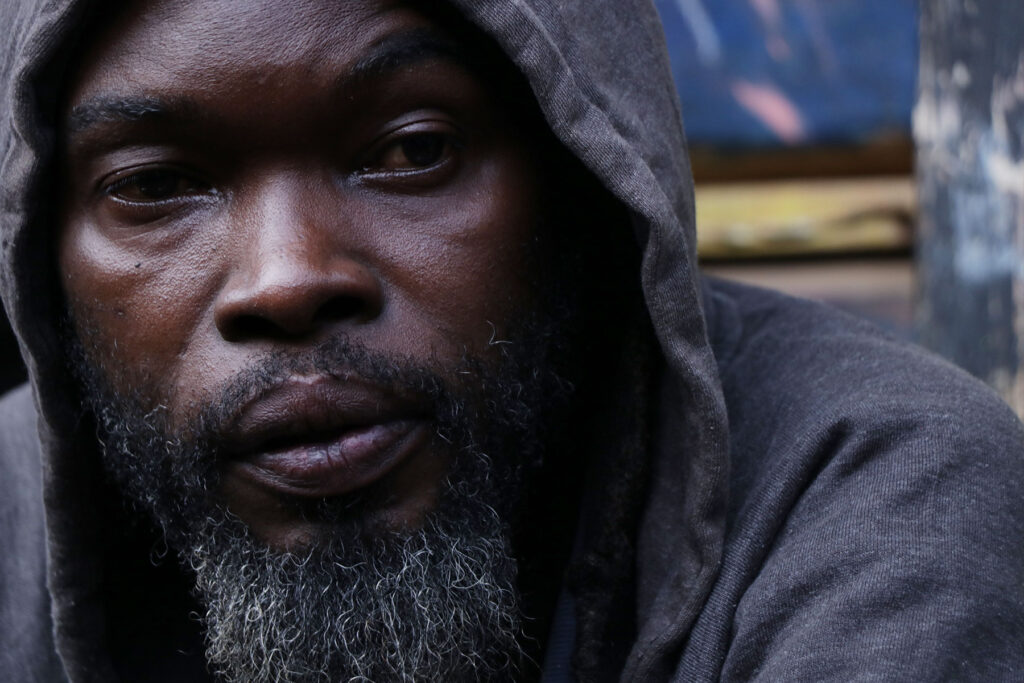
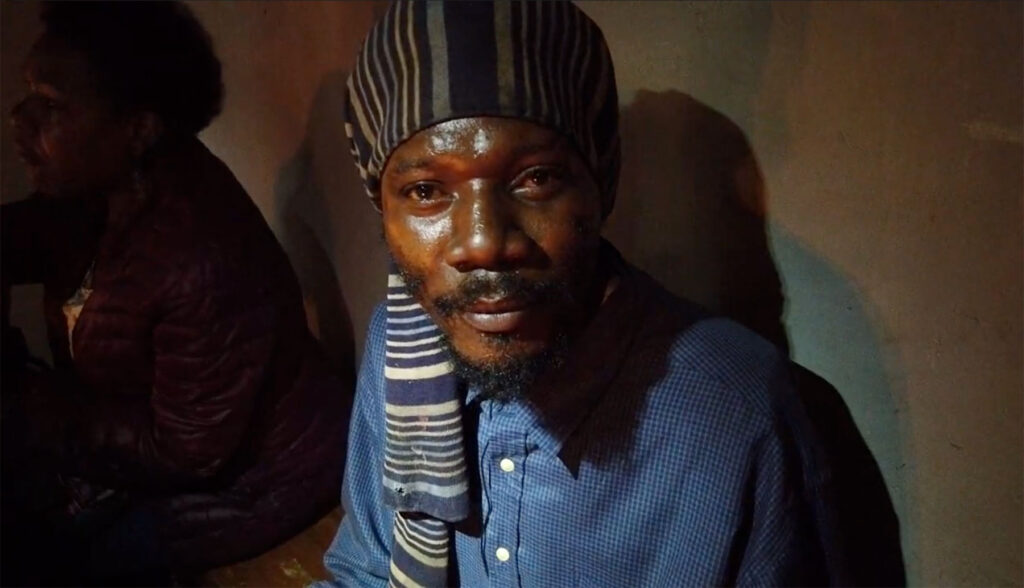
The two founders were Gomba and Kota, and the year was 2001. We sat down with Gomba in the Maasai Mbili studio in Kibera, and he began by talking about the space.
“This space, usually for me, it’s a window to the world. I meet people through this space, and when I interact with people, I feel honoured and I feel like it’s not about me, it’s about the whole thing. It’s about giving back.”
From the street to a pub
What the two of them built started outdoors, with no address.
“We really were working in the street, like street artists. Then our thirst, our thirst for art made us look for a space, and eventually we ended up here — turning a pub into a space where artists could have a link for themselves and to the community.”
Art as a tool
Gomba has a broad view of the purpose their art serves.
“As an artist, you’re not just creating things for the gallery. You have to involve the community to experience what is art. So the first thing was, how could I use art as a tool to create harmony in the society? And how can I use art to change the perception in a community?”
“Everybody, they used to call themselves gangsters. They used to say, ‘I’m a gangster,’ and that’s how they greeted each other. Until we came in the community, and after doing some things with the community, they were like, ‘Now I am the msanii. I am the artist.'”
Msanii is Swahili for artist. Gomba says it took him a long time to use the word to describe himself. It felt like too big a claim — the way you would say you were a doctor.
“Those two crazy guys”
The collective was not welcomed straight away. When M2 started running lessons for children, parents warned each other off.
“Don’t take those children to those two crazy guys.”
Years later, parents in the community consult with him. On the day we filmed, two had already stopped by to ask about their child — their daughter who had just finished high school and was, her parents said, very talented. They wanted to know what was next for her.
When Miriam asked what it’s like, what they do for the community, Gomba said “It makes me feel secure. It makes me feel safe. It makes me feel like you’ve achieved something at the end of the day.”
Can a good thing come out of Kibera?
Gomba has flown to shows abroad — “you get into the plane, and you have to pinch yourself: yeah, is this really me?” — and when asked at the other end, why he is there? He tells them he is there for art.
Asked what his message is to the world, he answered with a question.
Can a good thing come out of Kibera?
“If you’re living in the slum, you have to just have your knuckles.” He defines the knuckles as patience, perseverance, endurance, discipline.
“I mean, the ghetto is such a slippery place. You just lose one step, and you find yourself in another shit hole today.”
Twenty-five years later, Maasai Mbili is still in Kibera — supporting young people by giving them a safe place to go and learn about art, giving the community awareness and appreciation of art, and sharing with each other whatever their work brings to the collective.
Maasai Mbili Art Collective’s model works.
M2 recruits young people from the street and teach them to make art. They teach the community what art is and how it can support an artist. The art collective’s members share jobs, materials and what they earn — so when one artist gets work, the others eat.
We feel the community they support and the collective itself would benefit more if they had a website and a platform to sell their art directly to the world. This would also provide a platform to share their performing arts. There’s an ongoing need for art supplies, as well as the need for support with ongoing expenses like internet and phone service. Additionally there’s a need for laptops and equipment to stream live.
Maasai dancers in robed in colorful dress and beaded jewelry