

Kids Stuck at Home
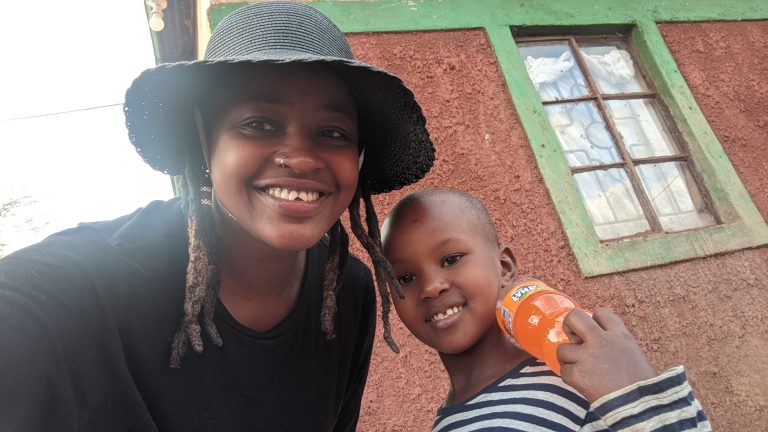
Near the Maasai villages around Kitonya, a small county school once taught children up to third grade. Then the water ran out, and the school closed.
Near the Maasai villages around Kitonya, a small county school once taught children up to third grade. Then the water ran out, and the school closed.
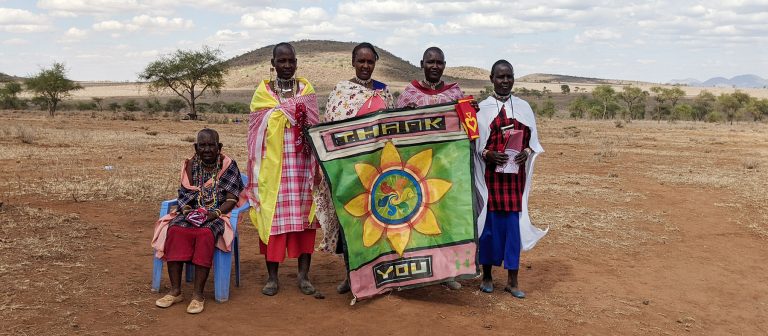
In Maa, the language of the Maasai, “thank you very much” is ashe oleng. The artists of Maasai Mbili heard it a lot on their visit to Maasailand.
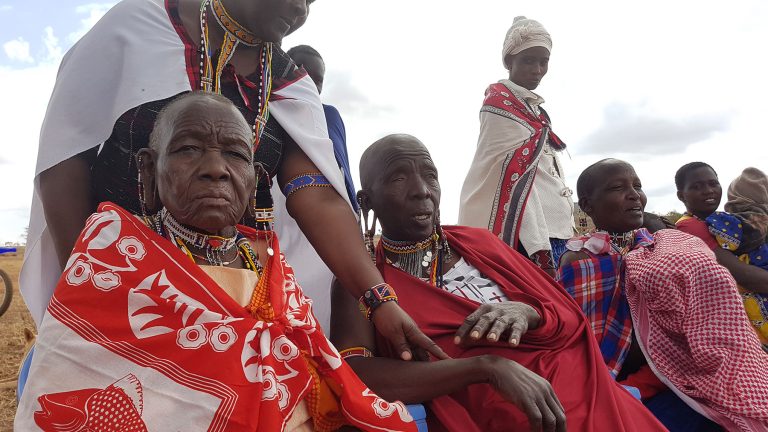
The Maasai are an indigenous people of southern Kenya and northern Tanzania. For generations they have kept their language, customs and beliefs intact while the modern world grew around them. They are pastoralists, so sustenance depends on their herds of cattle, goats and sheep. And water.
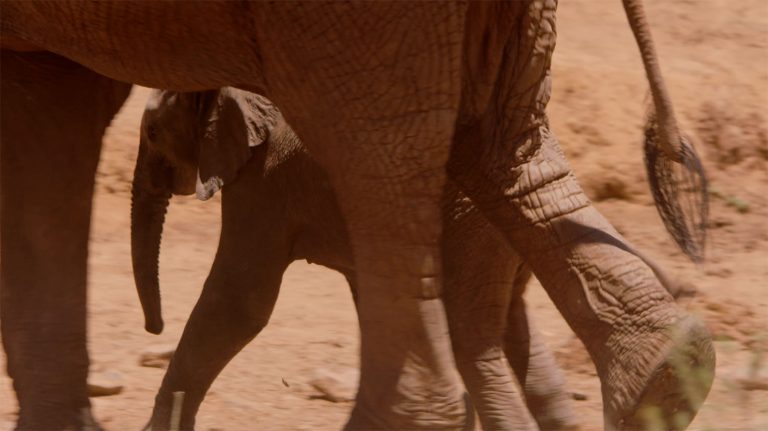
Around Kitonya, Kenya, people, livestock and elephants all drink from the same few earth dams. “The conflict between wildlife and people arises because of the scarcity of water,” says Isaiah Kishoyian, the Maasai teacher who has worked with The Great Gathering Nonprofit since 2020.
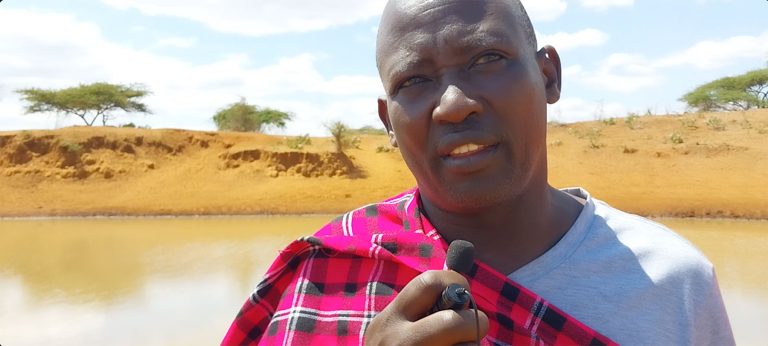
I met Miriam in a way that’s very spectacular” says Isaiah Kishoyian.
There would be no well today without the care and time Isaiah took to bring Miriam and the Maasai elders together. This field note is about the man, and the vital part he played in this story.